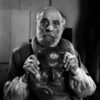
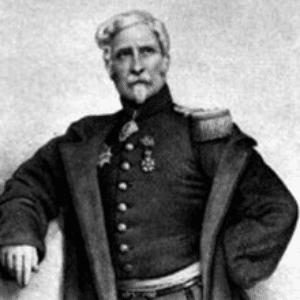
Jacques Aupick
(1789/1857)
Général, commandant de l’Ecole polytechnique, beau-père de Baudelaire.

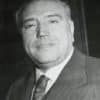
Caroline Aupick
(1793/1871)
Mère du poète français Charles Baudelaire (1821-1867). Elle épousa Joseph-François Baudelaire en 1819 puis Jacques Aupick en 1828.
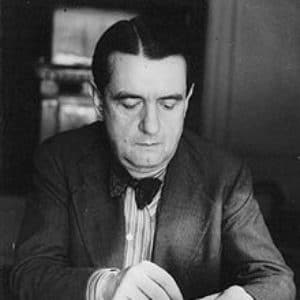
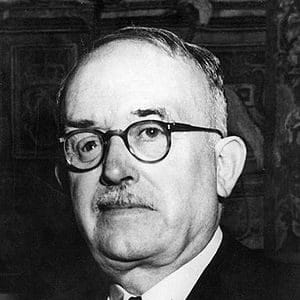
Vincent Auriol
(1884/1966)
Président de la République (16 janvier 1947/16 janvier 1954).
Jacqueline Auriol
(1917/2000)
Première femme pilote d’essai, elle bat à plusieurs reprise le record du monde de vitesse.
Marie-Antoinette Aussenac de Broglie
(1883/1971)
Pianiste française, disciple de Nicolas Obouhov.
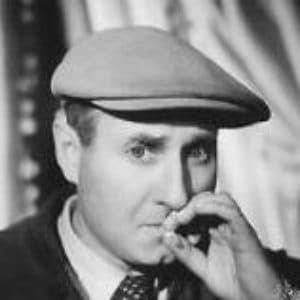
Claude Autant-Lara
(1901/2000)
Autant-Lara dessine les décors de Nana de Jean Renoir d’après Émile Zola. Il devient ensuite assistant–réalisateur de René Clair. Autant-Lara critiquera invariablement l’ensemble du mouvement de la Nouvelle Vague.
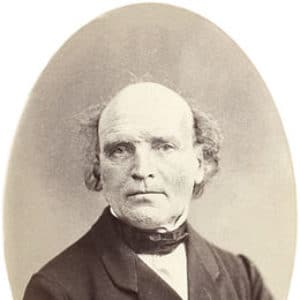
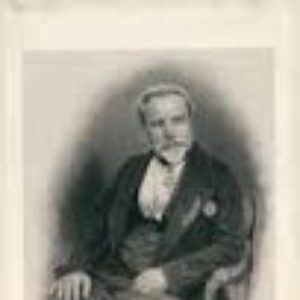
Pascal Avesac de Castera-Macaya (d')
(1800/1875)
Geographer and historian of geography, member of the Academy of Inscriptions, founder of the Ethnographic Society.
Marcel Aymé
(1902/1967)
Romancier et auteur dramatique fantaisiste et satyrique, auteur de La Jument verte.
Henri Eugène Aymé-Martin
(né en 1869)
Diplomate, consul de France à Manille et Mexico, chargé d’affaires à Bogota et La Havane, ministre plénipotentiaire au Guatemala.
Etienne Aymonier
(1844/1928)
Linguist and colonial administrator, specialist in Khmer culture, first director of the Colonial School.
Pierre Hyacinthe Azaïs
(1766/1845)
Philosopher, author of the theory of compensations.
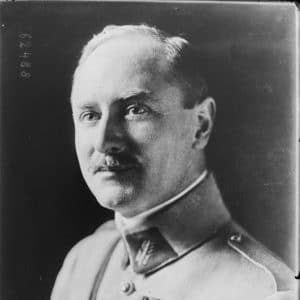
Paul Azan
(1874/1951)
Général de corps d’armée et historien, directeur du service historique de l’armée 1928-1933, il prit une part importante à la pacification du Maroc.
Charles Aznavour
(1924/2018)
Auteur, compositeur, chanteur, acteur franco-arménien.
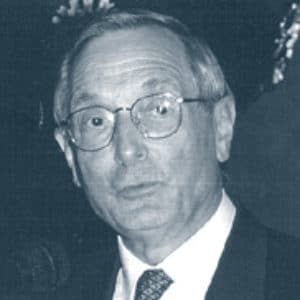
Jean Babelon
(1889/1978)
Historian and numismatist, he spent his entire career as curator at the Cabinet des Médailles of the Bibliothèque nationale de France, which he directed between 1937 and 1961.
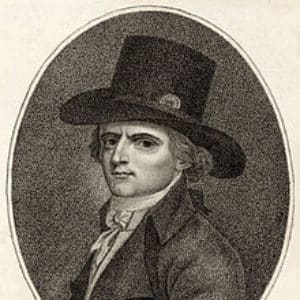
Gracchus Babeuf
(1760/1797)
A revolutionary, he formed the "Conspiracy of the Equals" against the Directory and was executed. His ideas inspired a school of thought, "Babouvism," which foreshadowed communism.
Jacques Babinet
(1794/1872)
Physicist and astronomer, from the Bureau des Longitudes and the Academy of Sciences.
Félix Baciocchi
(1762/1841)
General of the Empire. Prince of Lucca and Piombino and husband of Elisa Bonaparte.

Jean Baffier
(1851/1920)
Sculptor, student of Aimé Millet; he also devoted himself to the revival of Berry culture.
Joseph Baggers
(1858/1938)
A percussionist and author of a Timpani Method, he was the first professor of timpani at the Paris Conservatory and the teacher of Olivier Messiaen.
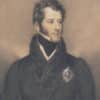
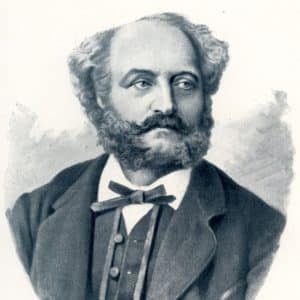
Henri Baillon
(1827/1895)
Botanist, member of the Botanical Society of France (at its creation in 1854) and of the Royal Society, author of important works on botany.
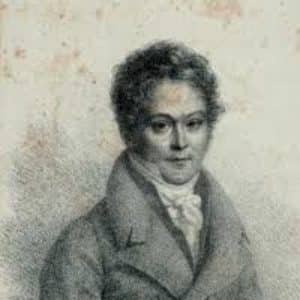
Pierre Baillot
(1771/1842)
Violinist and composer, attached to the Emperor's music, he is the author of a violin method, and of The Art of the Violin.
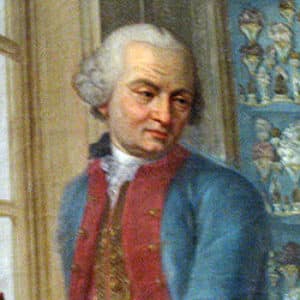
Giovanni de Baillou
(1758/1819)
An Italian geographer, correspondent of the Institute, director of the geography office in Florence, he was in charge of the geographical division of the departments comprising Tuscany during the occupation by Napoleonic troops.
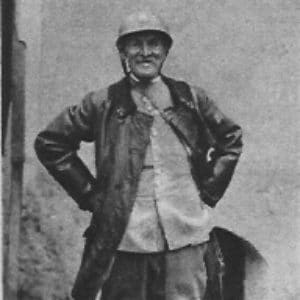
Maurice Camille Bailloud
(1847/1921)
As a general, he led the expeditionary force to Madagascar in 1895, and commanded the expedition to China against the Boxers.
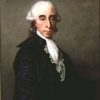
Jean Sylvain Bailly
(1736/1793)
French mathematician, astronomer, writer and politician. He was the first mayor of Paris.
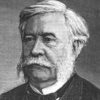
Antoine-Nicolas Bailly
(1810/1892)
French architect. Founding president of the Society of French Artists, which organized the famous Salon of French Artists every year.
Jacques Bainville
(1879/1936)
Monarchist and nationalist journalist and historian, close to Charles Maurras, member of the French Academy.
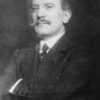
Léon Bakst
(1866/1924)
Painter, decorator and costume designer, creator of the sets and costumes for Diaghilev's Ballets Russes (1909-1921).
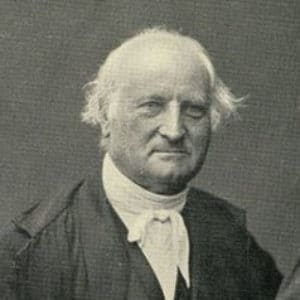
Antoine Jérôme Balard
(1802/1876)
Chemist and pharmacist, discoverer of bromine (1826).